Why Is Gas So Expensive in California? The Full 2026 Breakdown
California averages $6.03/gal — 72% more than North Carolina at $3.51. Taxes, the CARB blend, refinery isolation and climate fees, with today's AAA figures.

Fill up in California today and regular averages $6.03 a gallon. Fill up in North Carolina and the same gallon is $3.51 — a gap of $2.52, which is 72% more for a product refined from the same crude and burned in the same engines. California ranks 1 of 51 jurisdictions; no state pays more.
Those are AAA daily state averages observed on 24 October 2026, and they move every day — this page is rebuilt from the same table the state page reads, so the two never disagree.
The gap is not one villain but four stacked on top of each other. The cent ranges below are structural estimates of each layer, not a split of today's number.
1. The highest fuel taxes in the nation (~70–80¢ of the gap)
California's state excise tax is about 60 cents per gallon — the highest in the country and adjusted upward for inflation most years. Add the state's sales tax (which, unusually, applies on top of excise), underground-storage fees and the federal 18.4 cents that everyone pays, and a Californian hands government roughly $1.20 per gallon before the fuel itself costs anything. The lowest-tax states hand over about a fifth of that. Our state fuel-tax table has the current rate for all 51 jurisdictions.
2. The special CARB blend (~15–25¢)
California requires its own summertime gasoline recipe — CARB RFG — formulated to cut smog in a state with two of the nation's worst air basins. It genuinely works, and it genuinely costs more to refine. Few refineries outside the state can even produce it, which matters for the next reason.
3. A fuel island with shrinking refineries (~20–40¢, spiking higher)
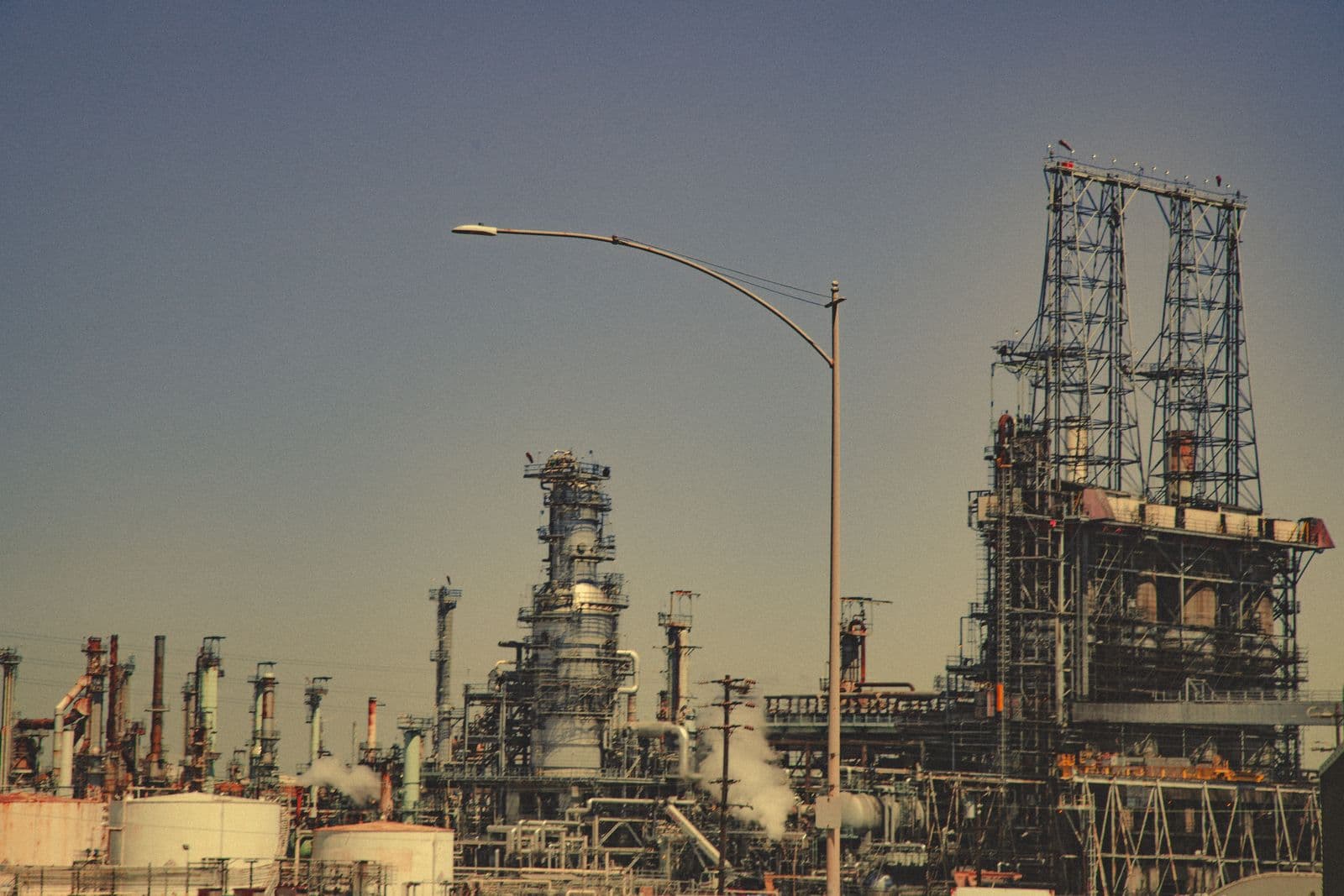
No pipeline carries gasoline over the Rockies. California runs on its own refineries plus ship-borne imports, and that isolated system has been losing capacity — several refineries have closed or converted to renewable diesel since 2020. When one of the survivors has an outage, there's no Gulf Coast cavalry: prices spike within days and stay high for weeks. This "isolation premium" is why California doesn't just run high, it runs volatile.
4. Climate programs (~50–55¢)
Two policies price carbon directly into each gallon: cap-and-trade (refiners buy emission allowances) and the Low Carbon Fuel Standard (credits that subsidise EV charging and renewable fuels, paid for at the pump). Together they add roughly half a dollar. Whatever you think of the policy, it's the fastest-growing slice of the stack.
How far above the rest of the country is it, exactly?
Two different national figures get quoted in this argument and they are not the same measurement, so both are here with their publisher attached:
- $4.32/gal — the unweighted mean of AAA's 51 state averages, the same daily table this page's state figures come from. California sits 40% above it.
- $4.28/gal — the EIA weekly national retail average, observed 19 October 2026. It is volume-weighted and published once a week, so it is a different number by construction, not a contradiction.
Anyone quoting a "national average" without saying which of those two they mean is quoting a number nobody can check.
So is anyone "gouging"?
Station margins in California are higher than the national average — the state's own regulator created a watchdog division in 2023 to study exactly this — but investigations keep finding the same thing: taxes, blend, isolation and climate fees explain the large majority of the gap. The structural stack means California will likely stay $1–2 above the rest of the country for years.
What Californians can actually do
- Shop the spread. The gap between the cheapest and priciest station in one California city is often 60–80 cents — worth checking the map before a big fill.
- Watch the cycle. Prices fall in autumn when the winter blend returns and demand drops; if you can time a road trip, do.
- Run the EV maths honestly. At $6.03 petrol and California's expensive electricity, the EV savings calculator still favours home-charged EVs by a wide margin — but public-fast-charge-only drivers should check the numbers first.
- Compare your state. Our all-50-states table updates daily.
Frequently asked questions
How much is gas in California right now?
$6.03 per gallon for regular, the AAA daily state average observed on 24 October 2026. That is 40% above the unweighted mean of AAA's 51 state averages ($4.32/gal). California ranks 1 of 51 jurisdictions — no state pays more.
How much of California's gas price is tax?
Roughly $1.20 per gallon: about 60¢ state excise (the nation's highest), plus sales tax, storage fees and the 18.4¢ federal tax — before adding climate-program costs of around 50¢ more. These are structural estimates of each layer, not a split of any single day's price.
Why can't California import cheap gas from Texas?
No gasoline pipeline crosses the Rockies, and California requires its own CARB blend that few outside refineries make. The state is effectively a fuel island: when a local refinery goes down, prices spike because replacement supply must come by ship.
Which state has the cheapest gas right now?
North Carolina, at $3.51 per gallon for regular on 24 October 2026 — $2.52 a gallon below California, which pays 72% more. Both figures are AAA daily state averages.
Will California gas prices come down?
Seasonally, yes — the cheaper winter blend and lower demand pull prices down each autumn. Structurally, no: taxes, climate fees and shrinking refinery capacity keep California well above the rest of the country, with spike risk whenever a refinery has an outage.
See the numbers for yourself
FuelWide turns official government fuel data into dated prices, trends and free calculators for the U.S., Canada and Europe.