How Gas Prices Are Set: From Crude Oil to the Pump
Ever wondered what you're actually paying for in a gallon of gas? Here's the full journey from a barrel of crude to the price on the sign.
The price on the sign looks like one number, but it's really a stack of four costs piled on top of each other. Knowing the stack tells you why prices move — and which part is moving when they do.
The four layers of a gallon
A rough, typical breakdown of what you pay for a gallon of regular gasoline:
| Component | Share of pump price | What it is |
|---|---|---|
| Crude oil | ~50% | The raw barrel refiners buy |
| Refining | ~15–25% | Turning crude into finished fuel |
| Distribution & marketing | ~10–15% | Pipelines, trucks, the station's margin |
| Taxes | ~15% | Federal, state and local |
These shares shift constantly — when crude spikes, its slice grows; when a refinery goes down, refining's slice grows — but the four layers are always there.
Layer 1: Crude oil (about half)
Everything starts with a barrel of crude, priced on a global market against benchmarks like Brent and WTI. Because it's global, the same forces set the crude price for everyone: OPEC+ output, U.S. shale production, demand from a growing or slowing world economy, and the geopolitical risk premium. This is the biggest and most volatile layer, and it's why pump prices ultimately track oil.
Layer 2: Refining (the crack spread)
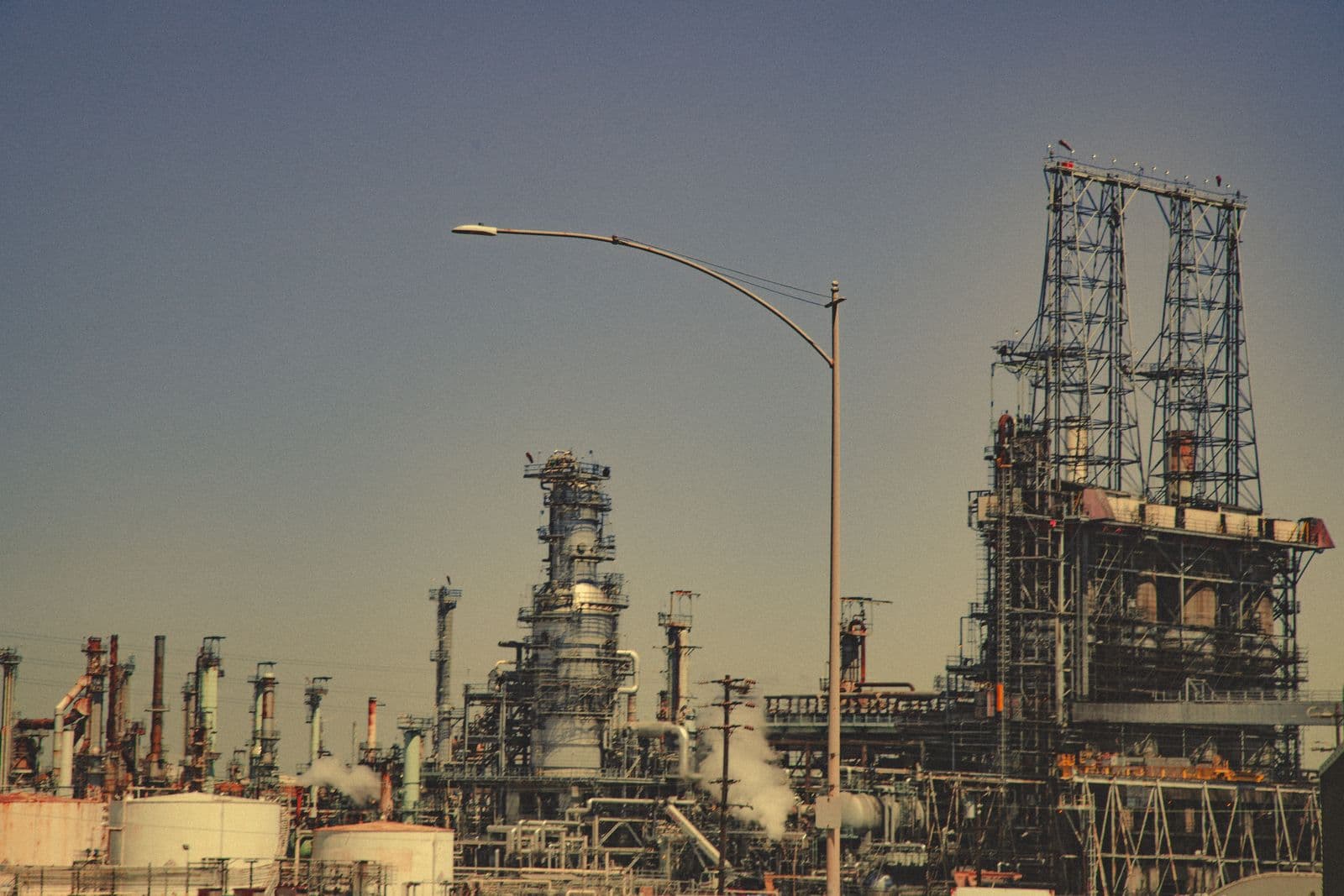
Crude is useless in your tank until a refinery separates and reforms it into gasoline, diesel, jet fuel and more. Refiners earn the crack spread — the margin between what they pay for crude and what they get for finished products. When refining capacity is tight (maintenance season, a hurricane, an outage), that spread widens and pump prices rise even if crude is flat. Refining is also why prices are regional: a refinery problem on the West Coast doesn't touch the Gulf.
Layer 3: Distribution and marketing
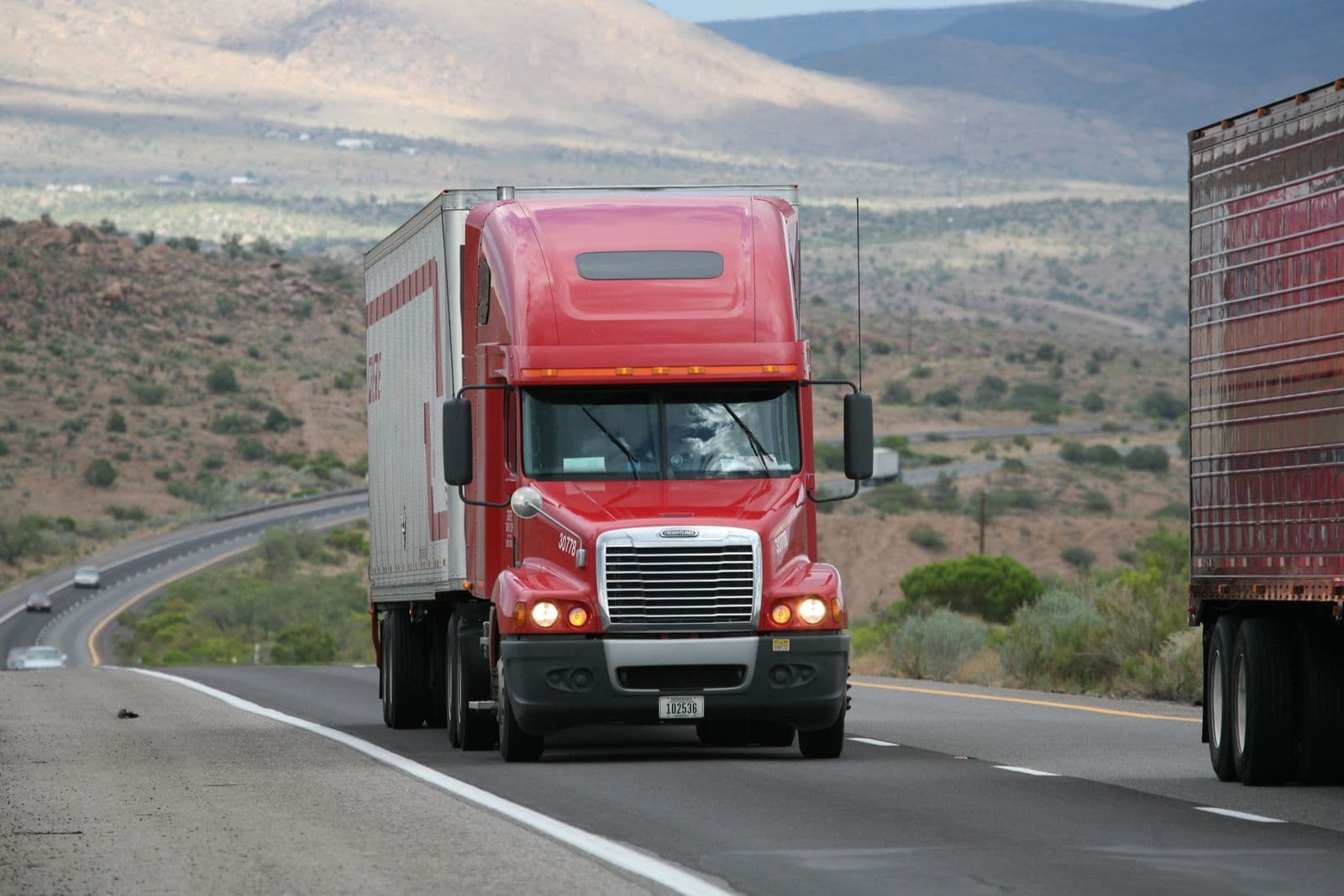
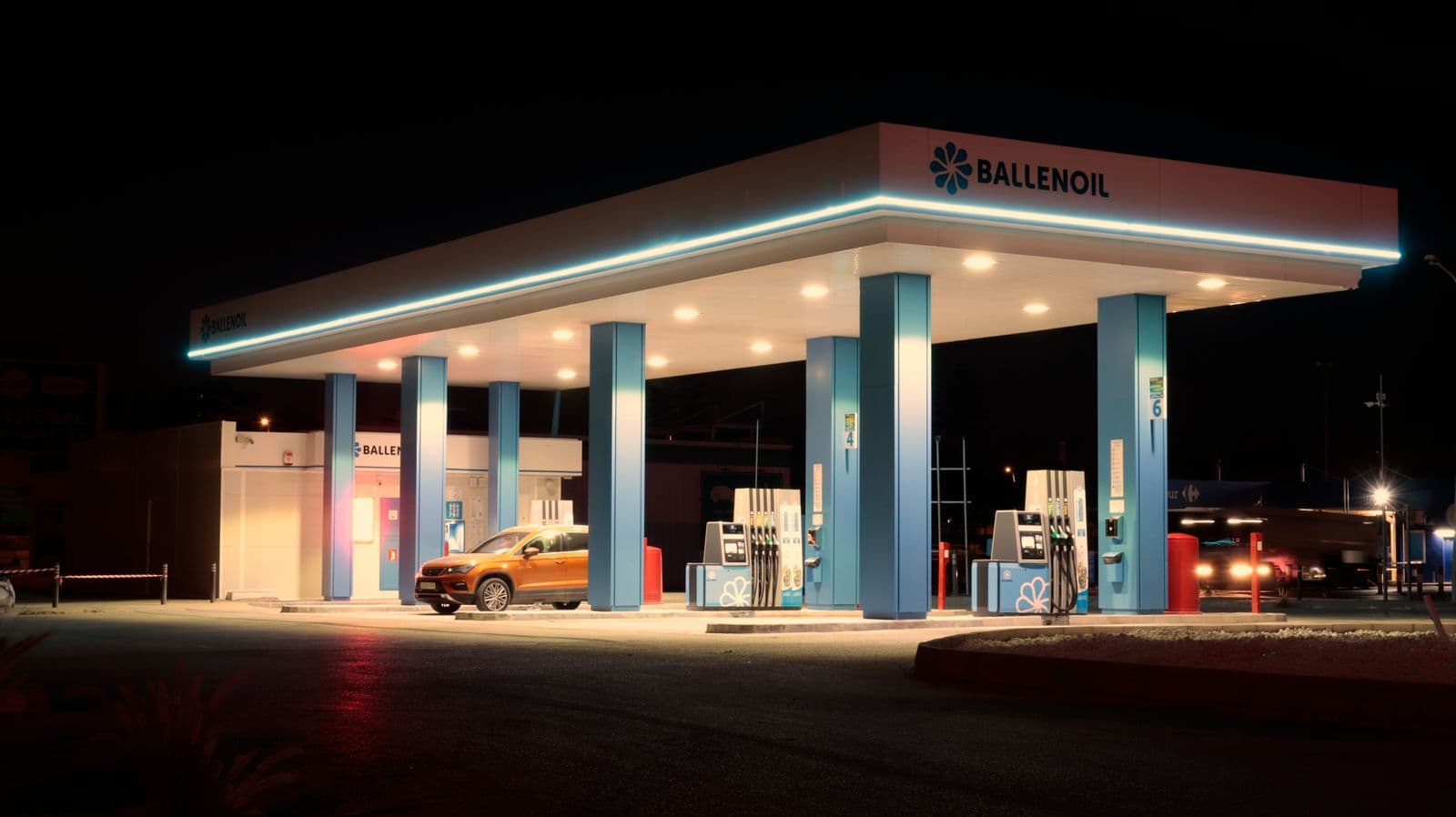
Finished fuel travels by pipeline, barge and tanker truck to terminals and then to stations — each step adds cost. The final slice is the station's own margin, which is thinner than most people think. Petrol stations often make very little on the fuel itself and lean on the shop inside; that's why prices between two stations reflect local competition as much as costs. We unpack this in why nearby stations charge different prices.
Layer 4: Taxes
The most stable layer. In the U.S., a federal tax of 18.4 cents per gallon of gasoline sits under every purchase, plus state and local taxes ranging from single digits to over 60 cents. Taxes don't move week to week, but they explain the persistent gap between states — and the enormous gap between the U.S. and Europe, where fuel taxes and VAT can more than double the price.
Why prices rise fast and fall slow
You may have noticed pump prices leap up the moment crude rises but drift down grudgingly when it falls. Economists call this "rockets and feathers." When wholesale costs rise, stations pass them on quickly to protect thin margins; when costs fall, competition eventually forces prices down, but more slowly. It isn't a conspiracy so much as the natural asymmetry of a competitive market with thin margins and sticky pricing.
Reading the pump like an analyst
Next time the price moves, ask which layer did it:
- Crude moved → likely a global story (OPEC, geopolitics, demand).
- Only your region moved → likely refining or supply logistics.
- A step-change that sticks → likely a tax change.
- Two stations differ → local competition and marketing.
The sign shows one number, but you're really reading a four-layer market. See where your own market sits on our live fuel prices pages.
Frequently asked questions
What percentage of gas price is crude oil?
Typically about half. The rest is refining (15–25%), distribution and marketing (10–15%), and taxes (around 15%), though these shares shift as market conditions change.
Why do gas prices rise faster than they fall?
It's the 'rockets and feathers' effect. Stations pass on rising wholesale costs quickly to protect thin margins, but competition takes longer to force prices back down when costs fall.
Why are gas prices different from one region to another?
Refining and pipeline geography is local, and state and local taxes vary widely. A refinery outage or higher taxes in one region can raise prices there without affecting others.
See the numbers for yourself
FuelWide turns official government fuel data into dated prices, trends and free calculators for the U.S., Canada and Europe.