The Strait of Hormuz: How Middle East Tension Moves Your Gas Price
A fifth of the world's oil sails through one narrow strait. Here's how conflict and tension in the Middle East feed straight through to the price at your pump.
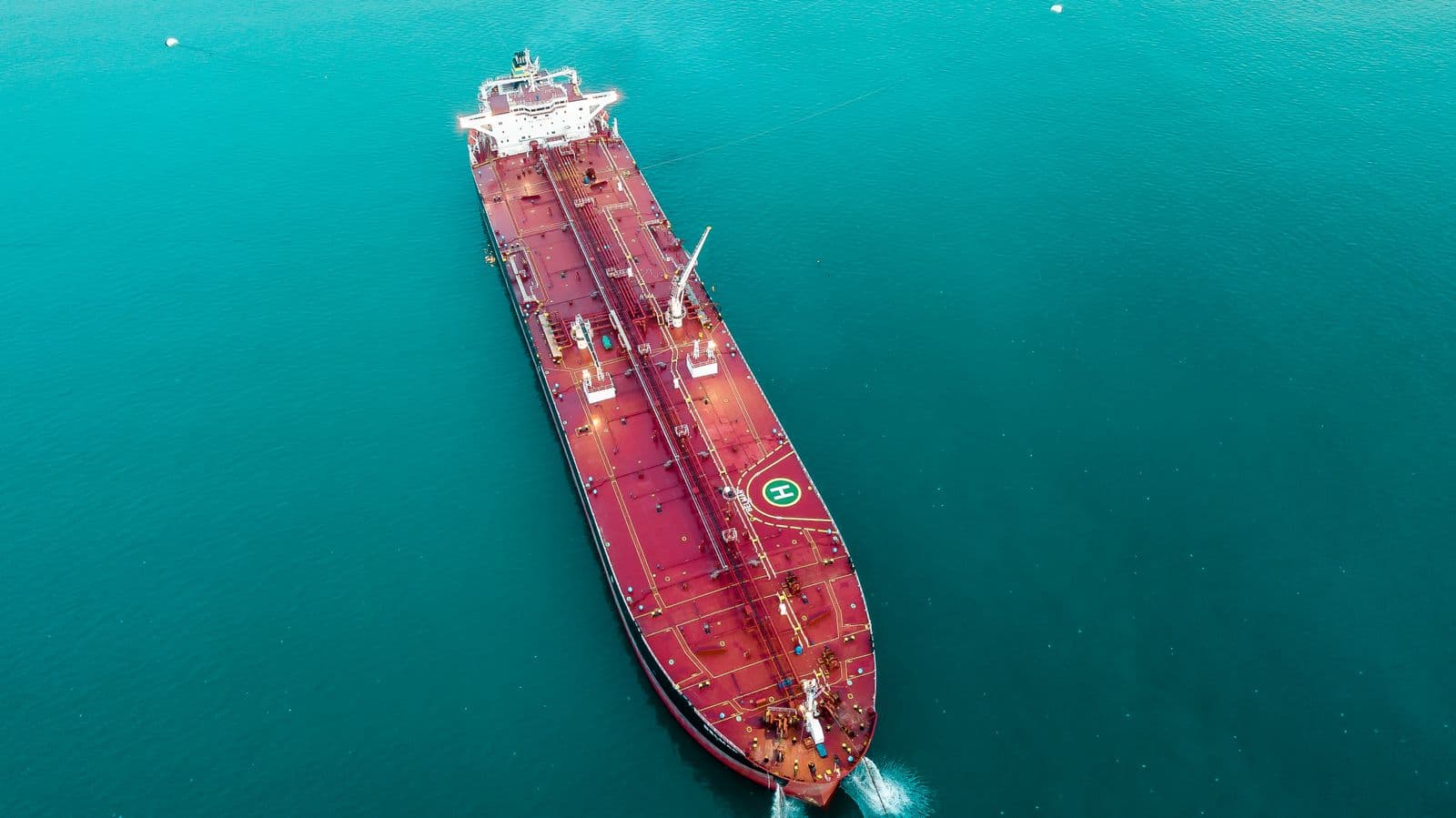
There is a stretch of water between Iran and Oman, at its narrowest only about 21 miles wide, that matters more to your fuel bill than almost anything happening on your own continent. It's called the Strait of Hormuz, and roughly a fifth of the world's petroleum passes through it. When the Middle East is tense, this is the pipe the market watches.
Why one strait matters so much
The Strait of Hormuz is the only sea route from the Persian Gulf to the open ocean. Oil from Saudi Arabia, Iraq, Kuwait, the UAE and Iran — some of the largest producers on earth — has to sail through it to reach buyers in Asia, Europe and beyond. There is no full-capacity alternative; the pipelines that bypass it can carry only a fraction of the flow.
That makes it a chokepoint: a single point where a large share of global supply is concentrated and, in theory, interruptible. Economists watch a handful of these chokepoints worldwide, and Hormuz is the most important one for oil.
The "risk premium" — how tension moves prices before anything happens
Here's the part that surprises people: prices can jump without a single barrel being lost. Oil is traded globally by people constantly pricing in probabilities. If the odds of a disruption rise — a naval incident, a threat to shipping, an escalation in a regional conflict — traders bid up crude to reflect that risk. That extra margin is the geopolitical risk premium.
So when you see gas tick up the week after alarming Middle East headlines, you're often watching the risk premium, not an actual shortage. If tensions cool, that premium can drain away just as fast, which is why these spikes are frequently sharp and short-lived.
From a Gulf headline to your local pump
The chain of transmission looks like this:
- Tension rises near the Gulf or the Strait of Hormuz.
- Traders price in disruption risk; crude oil futures climb globally.
- Refiners pay more for crude, and wholesale (rack) fuel prices follow within days.
- Stations pass the higher wholesale cost to the pump — usually quickly on the way up.
Because crude is a global benchmark, this hits everyone at once — American, Canadian and European drivers alike — even though none of them buy Gulf oil directly. That's the thing to understand: you don't need to import Middle Eastern oil to feel a Middle Eastern shock. One global price does the job. You can watch the effect ripple across countries on our Europe fuel prices and USA gas prices pages.
Why the spikes often fade
Two forces tend to pull prices back down after a geopolitical scare:
- Spare capacity. Some producers can raise output to cover a shortfall, and strategic reserves exist precisely for emergencies.
- Demand response. Higher prices cool demand, and traders know it, so the premium rarely holds unless a real, sustained disruption materialises.
The result is the familiar shape of an oil-shock chart: a fast spike on the news, then a slower decline as the worst case fails to arrive.
What it means for you
You can't hedge a geopolitical event, but you can avoid over-reacting to one. Panic-buying fuel during a spike just adds to the demand pushing prices up. Instead:
- Keep filling up on your normal schedule rather than topping off nervously.
- Lean on efficiency, which lowers your exposure to every price move — see how to save money on gas.
- Track the trend, not the headline. Our live prices show where things actually settle once the noise clears.
The Strait of Hormuz is a reminder that fuel is a global market wearing a local price tag. A tanker's route half a world away is quietly part of what you pay on your morning commute.
Frequently asked questions
How does the Strait of Hormuz affect gas prices?
About a fifth of the world's oil ships through it. When conflict threatens the strait, traders add a geopolitical 'risk premium' to global crude prices, and that flows through to pumps worldwide within days — even in countries that don't buy Gulf oil.
Why do gas prices rise on Middle East news even without a shortage?
Oil is traded on expectations. If the probability of a supply disruption rises, traders bid up crude to price in that risk, so prices can climb before — or without — any physical shortage occurring.
Do geopolitical gas price spikes last?
Often not. Spare production capacity, strategic reserves and falling demand tend to pull prices back down unless a real, sustained disruption materialises, so many geopolitical spikes are sharp but short-lived.
See the numbers for yourself
FuelWide turns official government fuel data into dated prices, trends and free calculators for the U.S., Canada and Europe.