Fuel Prices on Six Continents (2026): What a Litre Costs Around the World
From €0.03/L in Libya to €2.88/L in Hong Kong — FuelWide now tracks pump prices in 110+ countries. Here's the full world map of petrol prices in 2026, continent by continent.
A litre of petrol is the same product almost everywhere on Earth — refined from the same crude, burned in the same engines. Yet what you pay for it varies by a factor of nearly a hundred. FuelWide now tracks pump prices across 110+ countries on six continents — Europe, North America, Asia, and as of this week Africa, Latin America and Oceania — all normalised to euros per litre so the numbers actually compare. Here's what the world pays.
The world at a glance
| Region | Average petrol 95 (€/L) | Average diesel (€/L) |
|---|---|---|
| Europe (EU) | €1.85 | €1.82 |
| Oceania | €1.22 | €1.11 |
| Asia | €1.01 | €0.93 |
| Latin America | €0.93 | €0.85 |
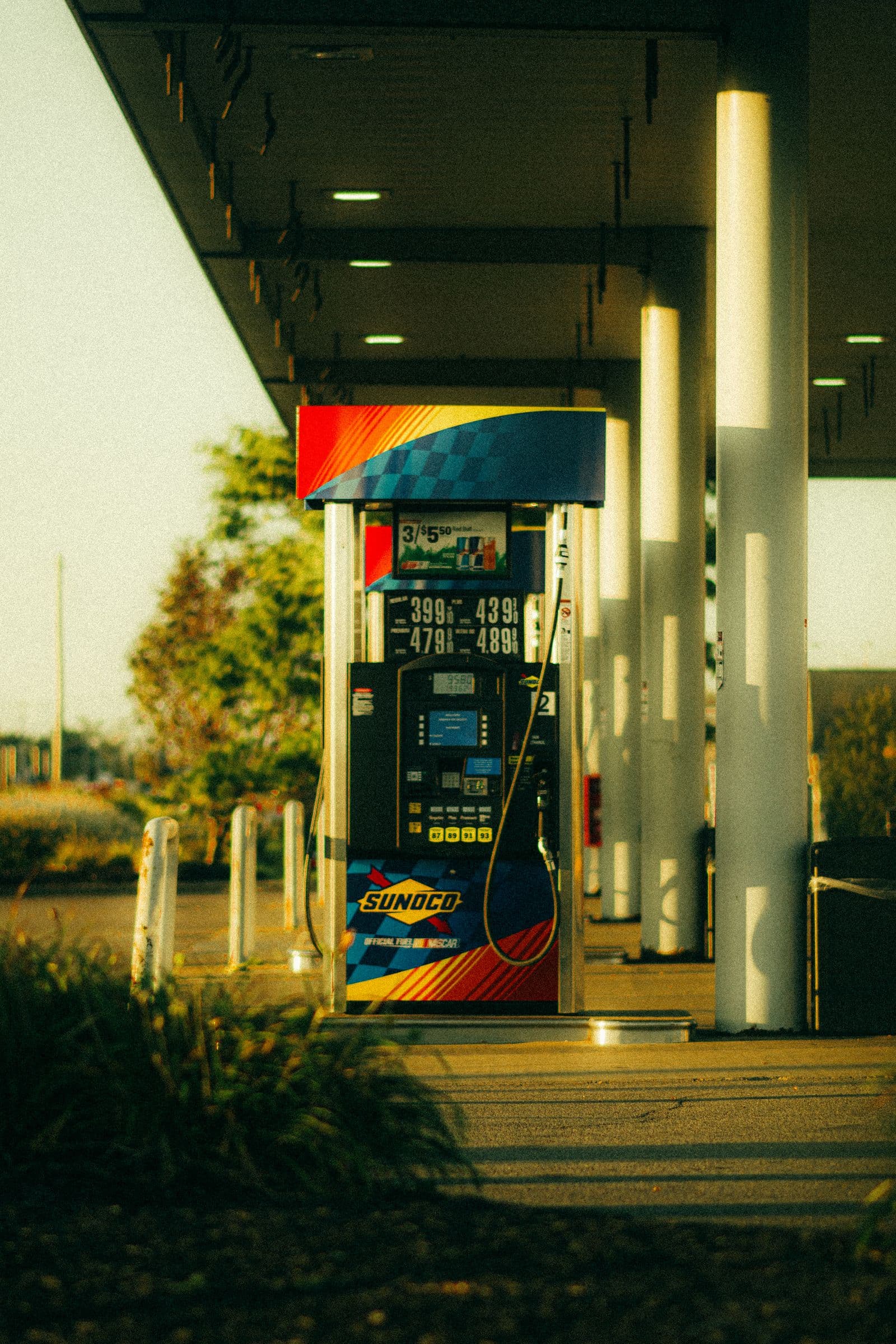
| United States | ≈€0.89 ($3.85/gal) | ≈€1.11 ($4.80/gal) |
| Africa | €0.88 | €0.82 |
The pattern is no accident. Taxes, not oil, set the order. European pumps carry the heaviest excise duties and VAT on the planet, which is why the EU average is roughly double the US price. At the other end sit producer states that subsidise fuel as a public benefit — and that's where the world's extremes live.
The cheapest fuel on Earth
The bottom of the world table is a lesson in petro-politics. In Libya, petrol officially costs about €0.03 a litre — effectively free, a subsidy the state has defended through a decade of upheaval. Venezuela is the same story at roughly €0.04, though scarce supply means the real price at informal sellers can be far higher. Angola (€0.28), Algeria (€0.30) and Egypt (€0.31) round out Africa's subsidised producers, while in the Gulf, Kuwait (€0.32) and Saudi Arabia (€0.58) keep pump prices a fraction of the world market.
Cheap fuel sounds like a blessing, but the fiscal cost is enormous — Nigeria's decision to end its petrol subsidy in 2023 tripled pump prices overnight and still dominates its politics. Today Nigeria sits at about €0.52/L: no longer among the world's very cheapest, and a live case study in how quickly "cheap forever" can end.
The most expensive
Hong Kong remains the world's priciest place to fill a tank at about €2.88 a litre — a deliberate policy in a city that wants fewer cars. Europe supplies most of the rest of the top tier: the Netherlands (€2.30), Denmark and Germany (around €2.10) tax petrol hard and spend the proceeds broadly.
The surprises are outside Europe. In Africa, Senegal (€1.51) and Ivory Coast (€1.33) pay near-European prices — import-dependent economies with a hard currency peg and no oil of their own. In South America, Uruguay (€1.66) out-prices most of Europe's south. And in the Pacific, New Zealand (€1.42) and the islands pay a steep logistics premium on every imported litre — New Caledonia reaches €1.48.
What it means for a real car
Averages get vivid when you put a car under them. Take a Toyota Corolla doing 19,300 km a year (12,000 miles):
- United States: about $1,300/year
- Brazil: about R$8,000/year (≈$1,430)
- Germany: about €2,680/year (≈$3,060)
- India: about ₹128,000/year (≈$1,640)
Same car, same distance — the fuel bill more than doubles depending on the flag on the pump. Every car page on FuelWide now has a "this car around the world" table that runs this maths for 15 markets in local currency, and the trip calculator prices any journey in any of the 110+ countries we track.
How we compare fairly
Cross-country price comparisons are notorious for mixing units, grades and currencies. Ours are built on three rules. Every price is a national average pump price including taxes, normalised to EUR per litre at ECB reference rates. Official weekly government bulletins (EU Oil Bulletin, US EIA/AAA, UK gov.uk, Statistics Canada) are used wherever they exist. Where no official bulletin exists — most of Asia, Africa, Latin America and Oceania — we curate GlobalPetrolPrices.com aggregation and label it with its own confidence level, spelled out in our methodology. Averages are averages: your street corner will differ.
The full, sortable world table — every country, petrol and diesel, in € and local currency — lives at fuelwide.com/fuel-prices.
Frequently asked questions
Which country has the cheapest petrol in the world in 2026?
Libya, at roughly €0.03 per litre thanks to one of the world's deepest fuel subsidies, with Venezuela close behind at about €0.04. Among larger economies, Kuwait (€0.32), Malaysia (€0.42) and Saudi Arabia (€0.58) are the cheapest places to fill up.
Which country has the most expensive petrol in the world?
Hong Kong, at about €2.88 per litre — a deliberate car-restraint policy. The Netherlands (€2.30) leads the EU, and Denmark and Germany sit around €2.10.
Why is fuel so much cheaper in the US than in Europe?
Taxes. US federal fuel tax has been 18.4 cents/gallon since 1993 and state taxes are modest, so the US average works out to roughly €0.89/L, while EU excise duties and VAT push the EU average to about €1.85/L for the same product.
How does FuelWide compare prices across currencies?
Every national average is converted to EUR per litre at ECB reference rates and shown alongside the local currency (yen, rupees, reais, rand…), so a Japanese and a Brazilian price compare like for like. Sources and confidence levels are documented on the methodology page.
See the numbers for yourself
FuelWide turns official government fuel data into dated prices, trends and free calculators for the U.S., Canada and Europe.