Why Are Gas Prices Rising Right Now? The 5 Forces Behind the Pump
Gas prices move for five main reasons — crude oil, refining, seasonal blends, taxes and geopolitics. Here's what's actually pushing prices up, in plain English.
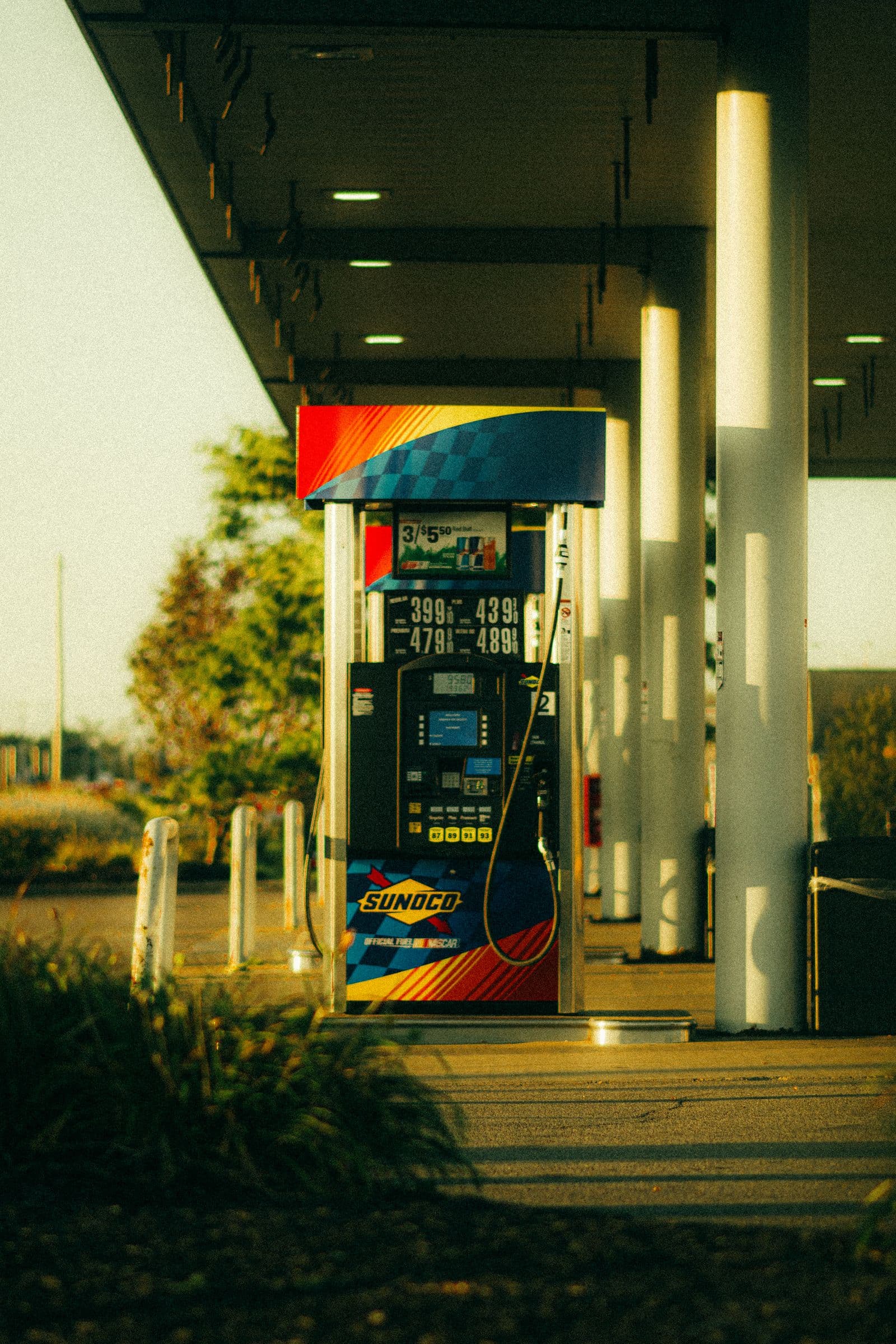
When the number on the sign jumps ten cents overnight, it feels random. It isn't. The price you pay at the pump is the sum of five moving parts, and on any given week one or two of them are doing most of the pushing. Understand those five forces and you can usually see a price move coming before it hits your tank.
1. The price of crude oil
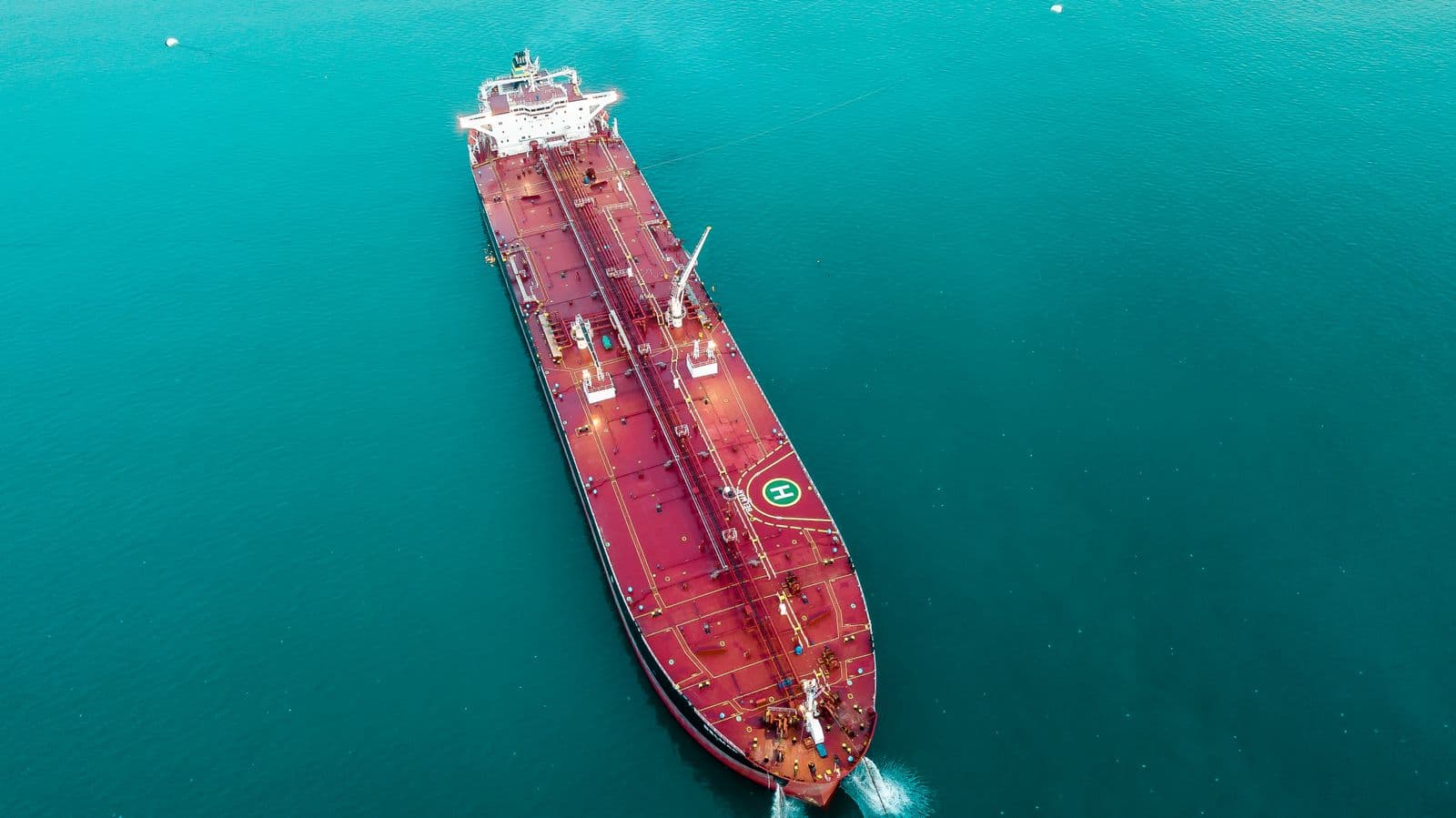
Crude oil is the single biggest driver of what you pay — typically around half of the retail price of a gallon of gasoline. When a barrel of Brent or WTI crude rises, refiners pay more for their raw material, and that cost flows to the pump within days to weeks.
Crude itself is priced on a global market, so it reacts to anything that changes the balance of supply and demand: OPEC+ production decisions, U.S. shale output, a cold snap that spikes heating demand, or a recession scare that dents it. You can watch the same forces play out across markets on our live fuel prices pages.
2. Refining margins
Crude has to be turned into finished gasoline, and refineries have limited capacity. When a major refinery goes offline — planned maintenance, a hurricane, a fire — supply tightens and the "crack spread" (the margin between crude and finished fuel) widens. That shows up as higher prices even when crude itself is flat.
This is why a region can see prices spike while the rest of the country doesn't. Refining and pipeline geography is local, and the U.S. West Coast in particular runs on its own tight, isolated market.
3. The seasonal switch to summer blend
Every spring, refiners switch to a "summer blend" of gasoline that evaporates less in the heat to cut smog. It costs more to produce, and the changeover itself briefly tightens supply. Combine that with the start of summer driving season — more people on the road, more demand — and you get the reliable spring-to-summer climb that shows up almost every year.
The reverse happens in autumn: cheaper winter blend returns and demand falls, which is why the cheapest gas of the year usually arrives in December and January.
4. Taxes
Federal, state and local taxes are a fixed slab on top of every gallon. In the U.S. the federal tax is 18.4 cents per gallon of gasoline and 24.4 cents for diesel, and states add anywhere from a few cents to over 60 cents more. Taxes don't move week to week, but they explain a lot of the gap between neighbouring states — and the far larger gap between the U.S. and Europe, where taxes can more than double the pump price.
5. Geopolitics and the risk premium
Oil is global, and roughly a fifth of the world's petroleum passes through a single narrow waterway in the Middle East. When conflict flares near key production or shipping routes, traders price in the risk of a disruption — a "risk premium" — long before any barrel actually goes missing. That's why a headline can move prices even when physical supply is untouched. We break this down in how the Strait of Hormuz moves your gas price.
Putting it together
On a calm week, crude and refining set the tone. In spring, blends and driving season add a seasonal lift. And when the Middle East is in the news, the risk premium can swamp everything else for a while. None of it is random — it's just five dials being turned at once.
The practical takeaway: you can't control the market, but you can control when and how you buy. See 17 proven ways to cut your fuel bill, and check what you'd actually pay for your own car and route with the fuel cost calculator.
Frequently asked questions
What is the biggest factor in gas prices?
The price of crude oil, which typically accounts for about half of the retail price of a gallon of gasoline. Refining, distribution, taxes and retail margins make up the rest.
Why do gas prices go up in the summer?
Refiners switch to a more expensive, less-polluting summer blend of gasoline in spring, and summer driving season increases demand. Both push prices up from roughly April through August.
Do gas prices follow crude oil immediately?
Not instantly. Changes in crude usually reach the pump over several days to a few weeks, and prices tend to rise faster than they fall — the so-called 'rockets and feathers' effect.
See the numbers for yourself
FuelWide turns official government fuel data into dated prices, trends and free calculators for the U.S., Canada and Europe.