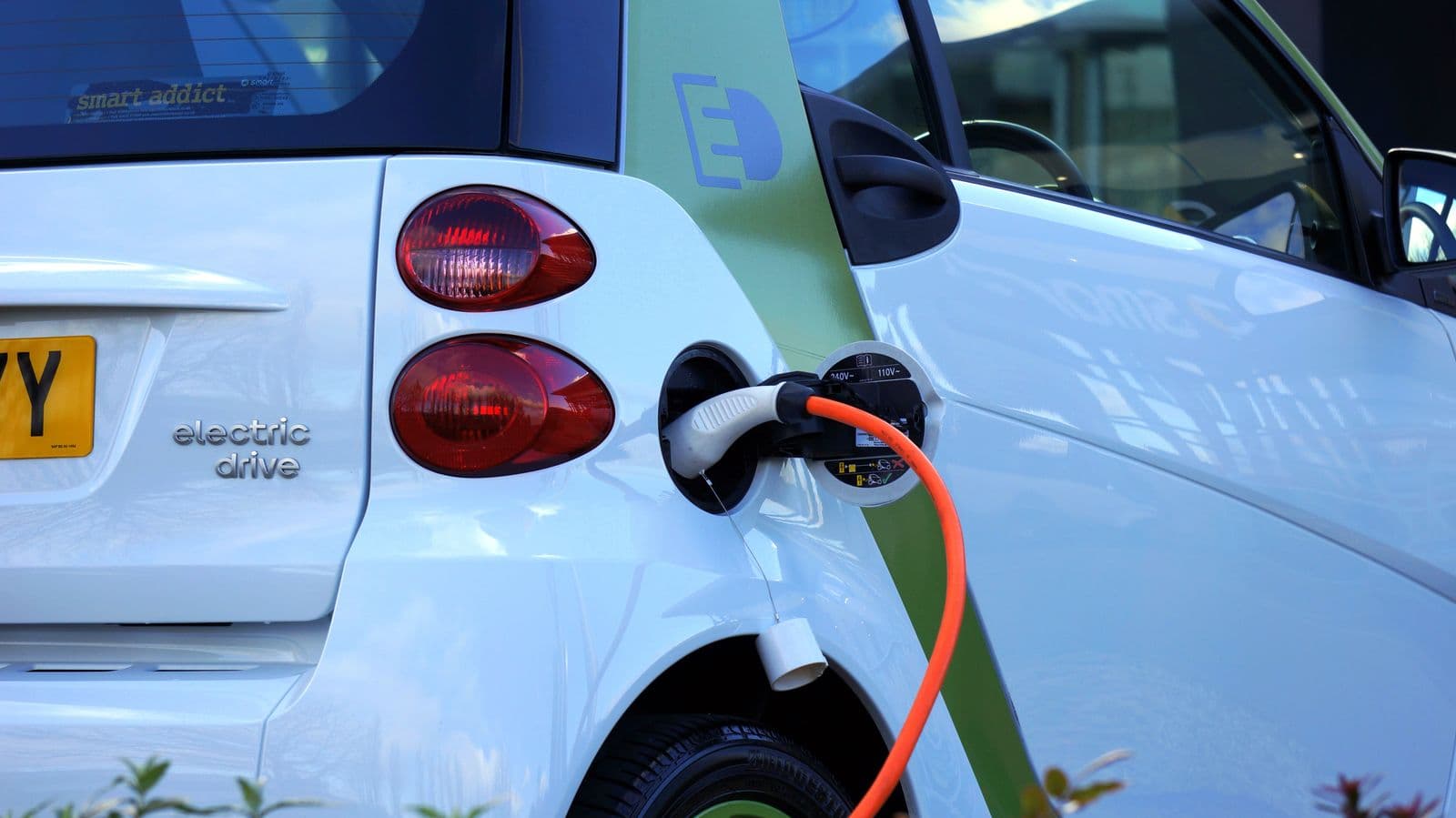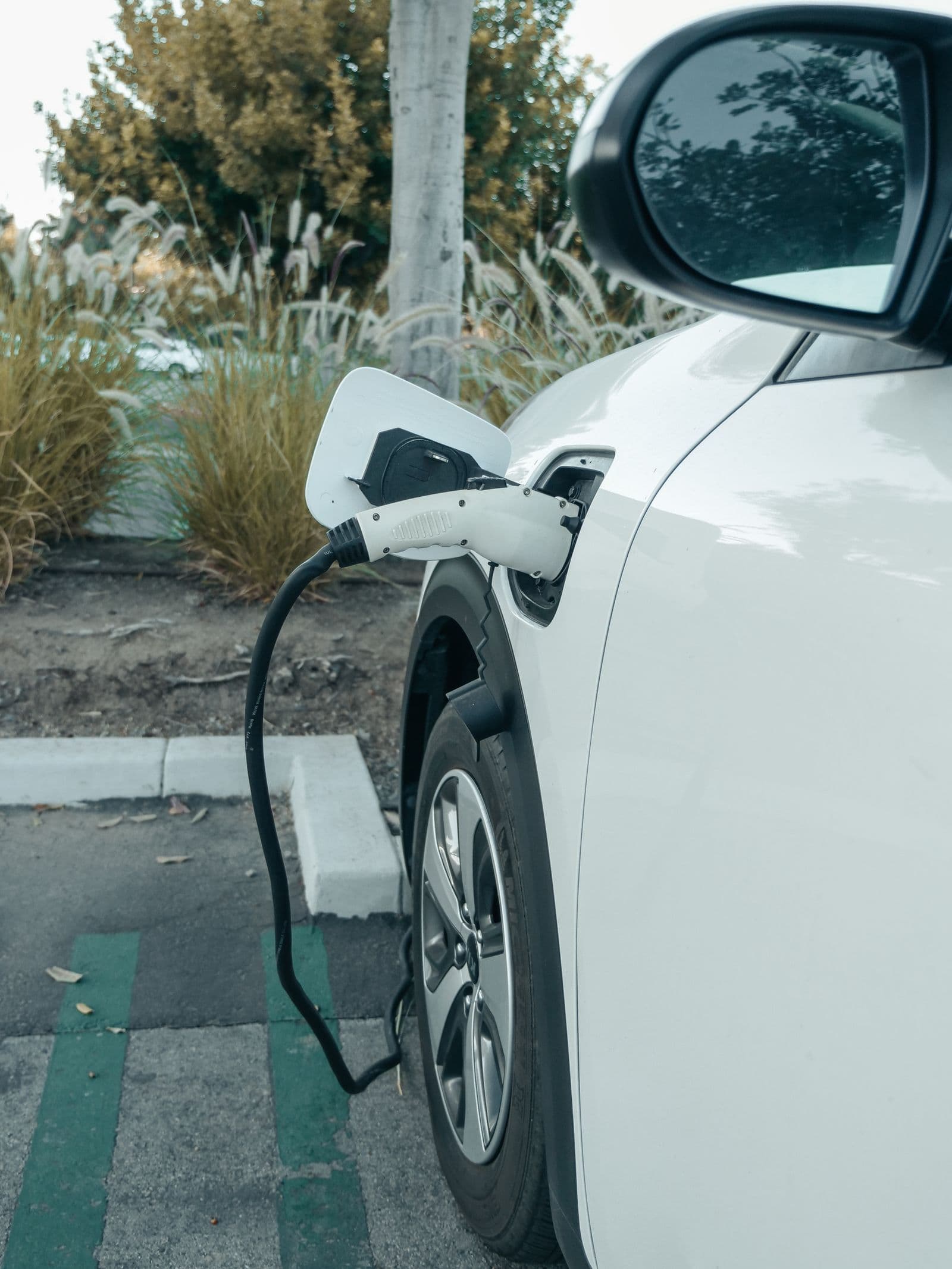
How Much Does It Cost to Charge an Electric Car in 2026? (Home vs Public, US & Europe)
Real 2026 numbers: about $10 to fill a 60 kWh battery at home in the US, $27 at a fast charger, €17 in Europe. Cost per mile vs petrol, and when an EV stops being cheaper.
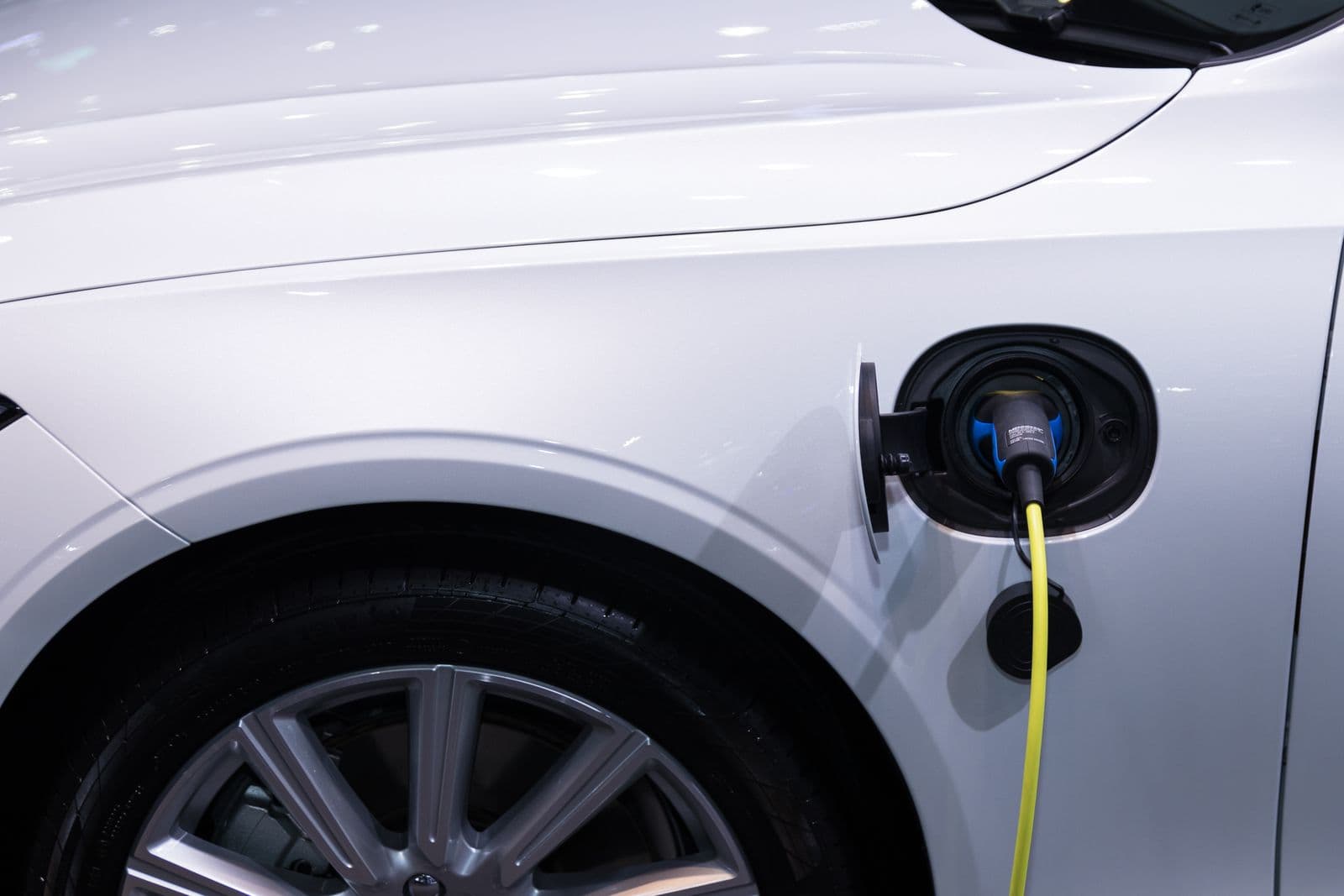
"Charging is basically free, right?" Not quite — and sometimes not at all. The honest answer in 2026 is that charging an electric car costs anywhere from a third of the equivalent petrol cost to roughly the same, and the single biggest variable is not the car. It's where you plug in.
The headline numbers
Take a typical EV with a 60 kWh battery and ~3.5 mi/kWh efficiency (a Model 3, Ioniq 5 or ID.4-class car), charging from near-empty:
| Where you charge | Price per kWh | Full charge (60 kWh) | Cost per mile |
|---|---|---|---|
| US — home overnight | ~$0.17 | ~$10 | ~5¢ |
| US — public DC fast | ~$0.45 | ~$27 | ~13¢ |
| Europe — home | ~€0.28 | ~€17 | ~€0.05/km |
| Europe — public fast | ~€0.59 | ~€35 | ~€0.10/km |
For comparison, a 28 MPG petrol car at this week's US average of $3.86/gal costs about 14¢ a mile — and a 7 L/100km petrol car at the EU average of €1.85/L about €0.13/km.
The rule that decides everything
Home charging is a bargain almost everywhere. Fast charging is not.
Charge overnight at home in the US and you pay roughly a third of petrol per mile — about $1,070 a year saved at 12,000 miles before you even count maintenance. But a driver who relies entirely on public DC fast charging pays 13¢/mile — within rounding distance of petrol. In Europe, where petrol is taxed hard, even fast charging usually undercuts it; in the US the margin is thin.
Three practical consequences:
- If you can install a home charger, the economics are settled. Even adding $500–1,500 for the wallbox, payback is typically inside two years.
- If you live in an apartment with no home charging, run the numbers first. Depending on your local fast-charge prices, an efficient hybrid can genuinely be cheaper to run.
- Workplace or kerbside AC charging sits in between — often $0.20–0.30/kWh, still clearly cheaper than petrol.
What about charging time (and cheaper hours)?
Cost and speed trade off. A home socket delivers a full charge overnight for the prices above; a 150 kW fast charger does 10→80% in ~25 minutes at nearly triple the price per kWh. Many utilities on both continents now offer EV tariffs — cheap overnight windows of $0.08–0.12/kWh (or €0.10–0.20) — that cut the home numbers above nearly in half. If you drive an EV and haven't asked your utility about an EV tariff, that phone call is worth several hundred dollars a year.
Run your own numbers
Averages hide a lot: electricity ranges from $0.11 in Washington state to $0.40+ in parts of California, and from €0.11 in Hungary to €0.35 in Germany. The EV savings calculator prefills this week's real fuel prices for your country or state, lets you set your home/public charging mix, and shows the year-by-year total including the purchase premium and break-even point. Two minutes, honest answer.
Frequently asked questions
How much does it cost to fully charge an electric car at home?
In the US, about $10 for a 60 kWh battery at the typical home rate of ~$0.17/kWh — roughly 5 cents per mile. In Europe at ~€0.28/kWh it's about €17, or ~€0.05/km. Overnight EV tariffs can nearly halve those figures.
Is charging an EV cheaper than petrol in 2026?
At home, dramatically: about a third of petrol cost per mile in the US and under half in Europe. At public DC fast chargers the gap nearly closes in the US (~13¢/mile vs ~14¢ for petrol), while Europe's high fuel taxes keep even fast charging somewhat cheaper.
How much does public fast charging cost?
Typically around $0.40–0.55 per kWh in the US and €0.50–0.70 in Europe — a 60 kWh fill runs $25–33 or €30–42. Subscriptions from major networks trim 15–30% for regular users.
How much do I save per year with an EV?
A 12,000-mile/year driver charging mostly at home saves on the order of $1,000–1,300 a year on energy in the US versus a 28 MPG petrol car, plus a few hundred in maintenance. The EV savings calculator computes your exact figure with this week's prices.
See the numbers for yourself
FuelWide turns official government fuel data into dated prices, trends and free calculators for the U.S., Canada and Europe.